Whole-Home Repiping in Nashville, TN
If your home still runs on galvanized steel or polybutylene piping, it's likely on borrowed time. These older materials corrode from the inside out, restrict water flow, and can fail without warning — often behind a wall or under a slab where you won't see it coming.
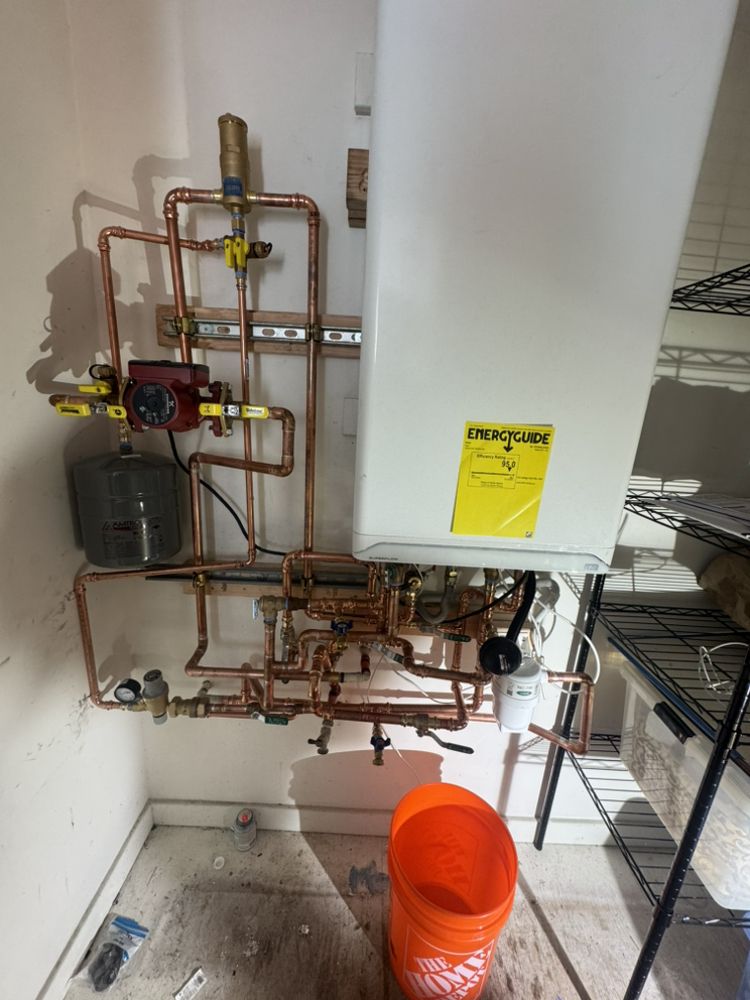
Our whole-home repiping crews replace your entire supply system with premium copper or PEX piping, sized and routed to modern plumbing code. We plan every repipe around your home's layout to keep drywall and flooring cuts to a minimum, and we coordinate patch-and-paint so the job finishes looking like it was never touched.
Benefits
- Eliminates recurring leaks, rust-colored water, and low water pressure
- Choice of Type L copper or PEX — we'll help you pick the right fit for your home and budget
- Pressure-tested and inspected before we close any wall
- Careful, floor- and furniture-protected work areas every day
- Written workmanship warranty on every whole-home repipe
Our Process
Free On-Site Inspection
We evaluate your existing piping material, water pressure, and fixture locations to scope the job accurately.
Custom Repipe Plan
You get a clear, written estimate outlining pipe material, routing, timeline, and total cost — no surprises.
Professional Installation
Our licensed plumbers repipe your home in stages so you keep water service through most of the project.
Pressure Test & Walkthrough
Every line is pressure-tested, fixtures are reconnected, and we walk the whole house with you before we call it done.
Frequently Asked Questions
Most single-family homes are repiped in 2–5 days depending on size, number of stories, and wall access. We'll give you a specific timeline in your written estimate.
No — the large majority of our repipe clients stay in their home throughout the project. Water may be shut off for portions of a day while we tie in new lines.
Both are excellent, code-approved materials. Copper is extremely durable and has a long track record; PEX is flexible, resists freeze-cracking, and often reduces labor time. We'll walk you through the trade-offs for your specific home.
We keep drywall openings as small and organized as possible and can coordinate drywall patch and paint through trusted partners so your home is fully move-in ready.
Coverage varies by policy and whether the repipe is preventive or the result of a covered leak. We recommend checking with your insurance provider — we're happy to provide documentation to support a claim.